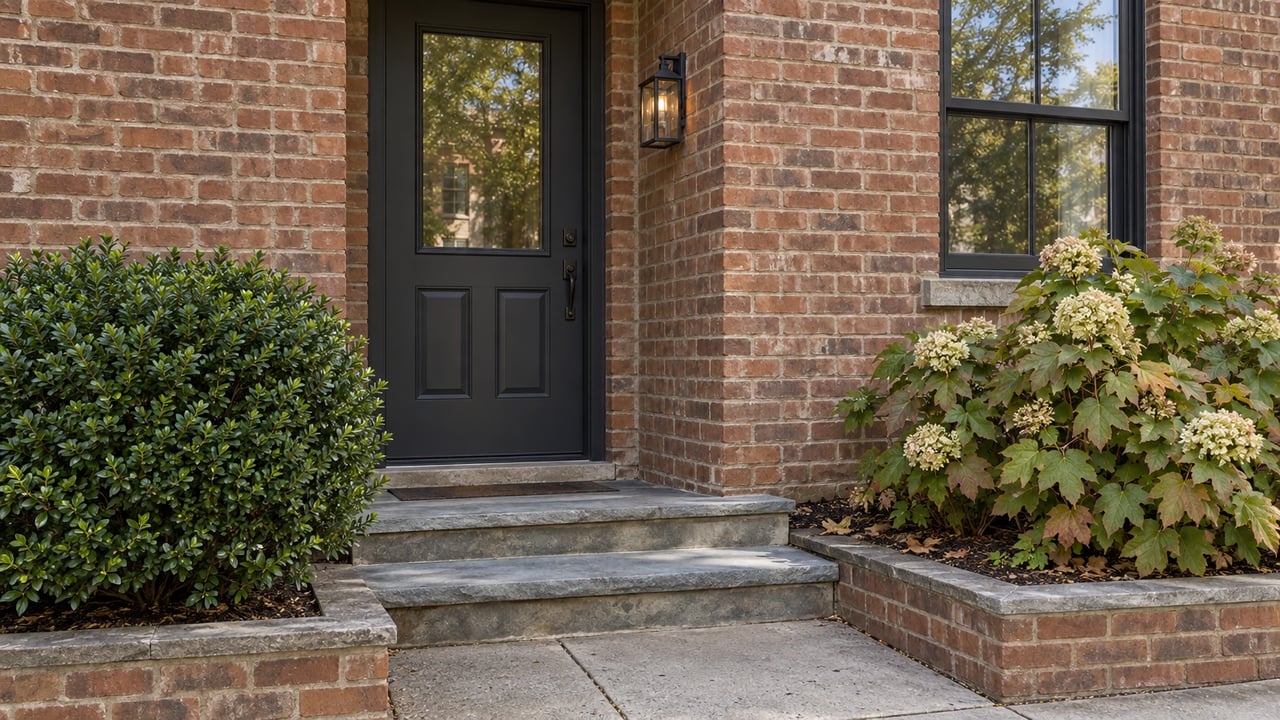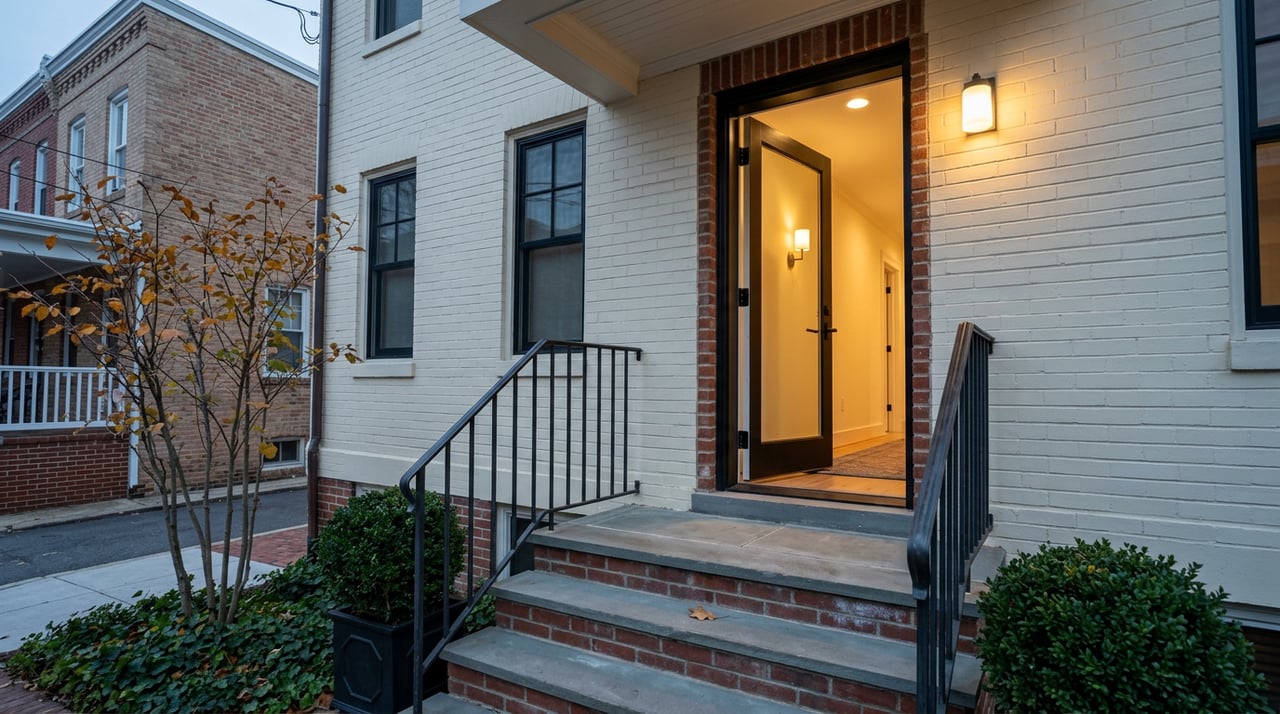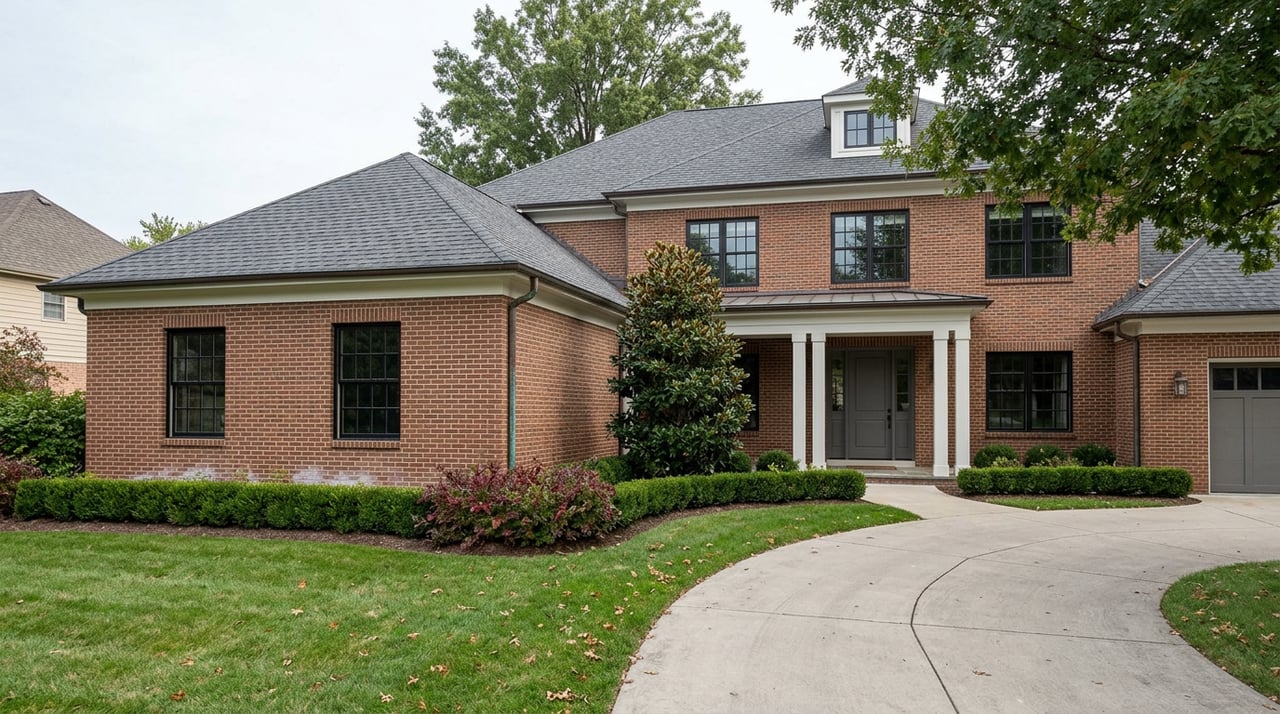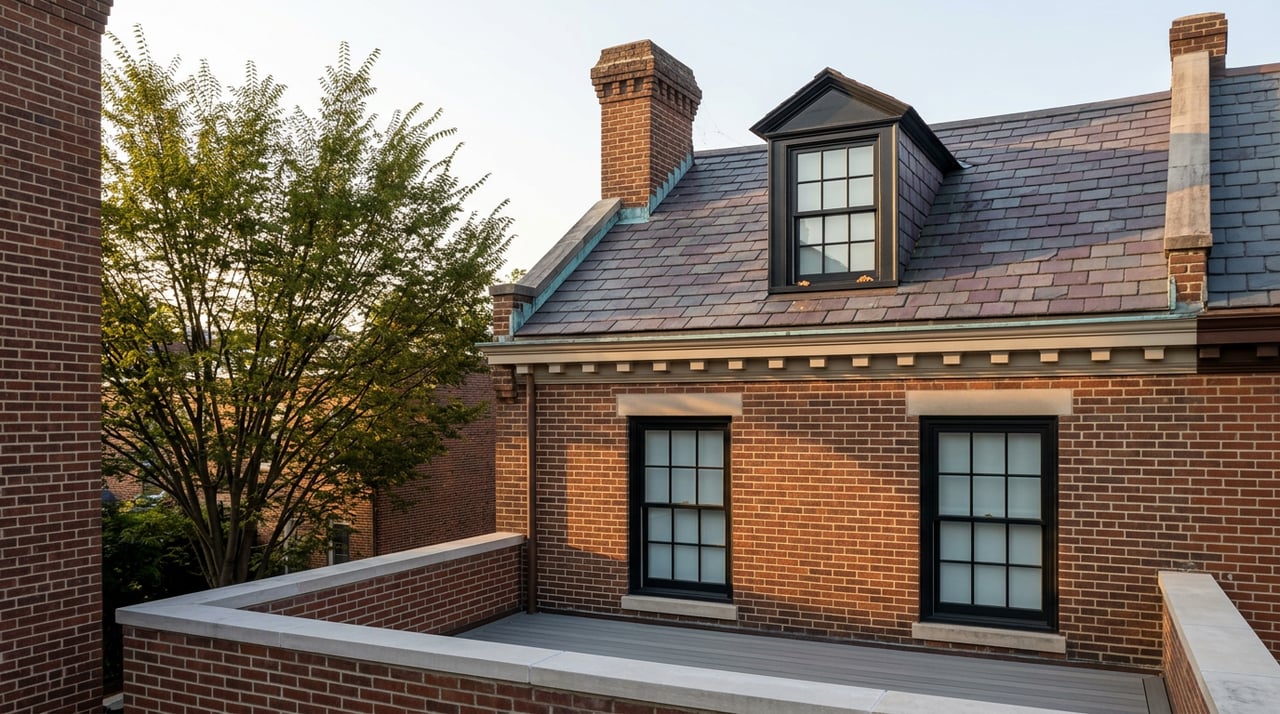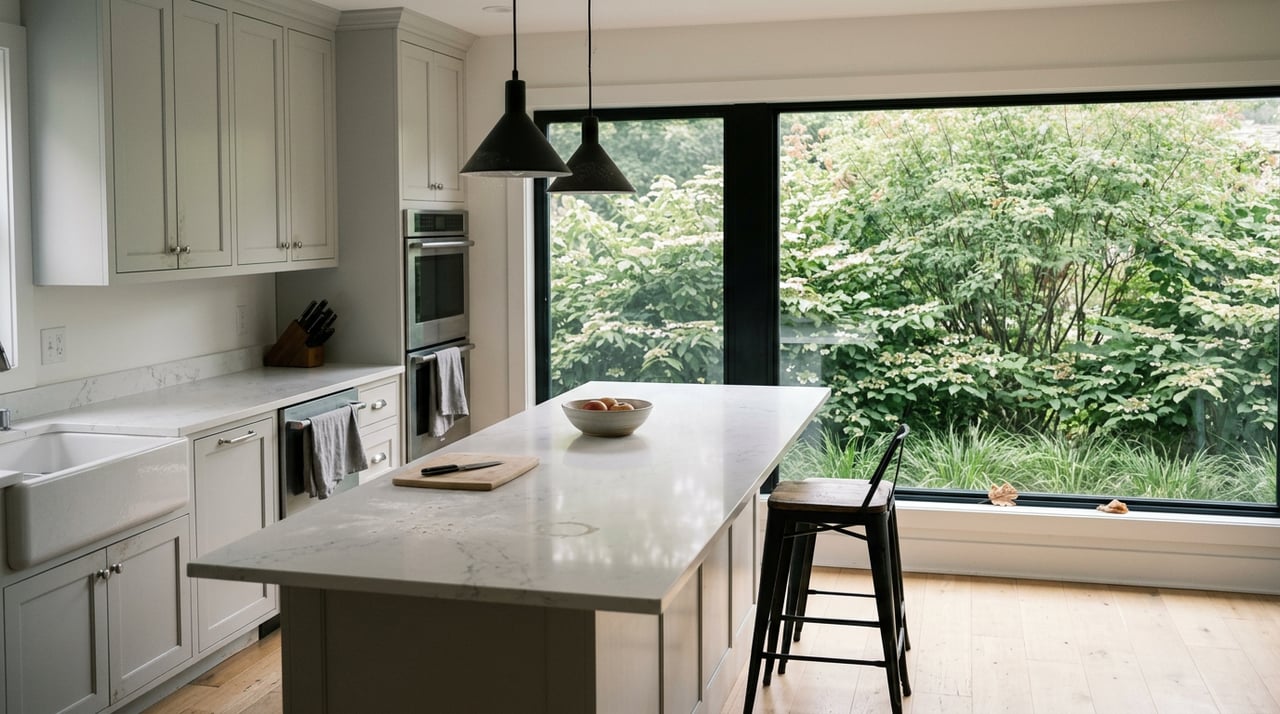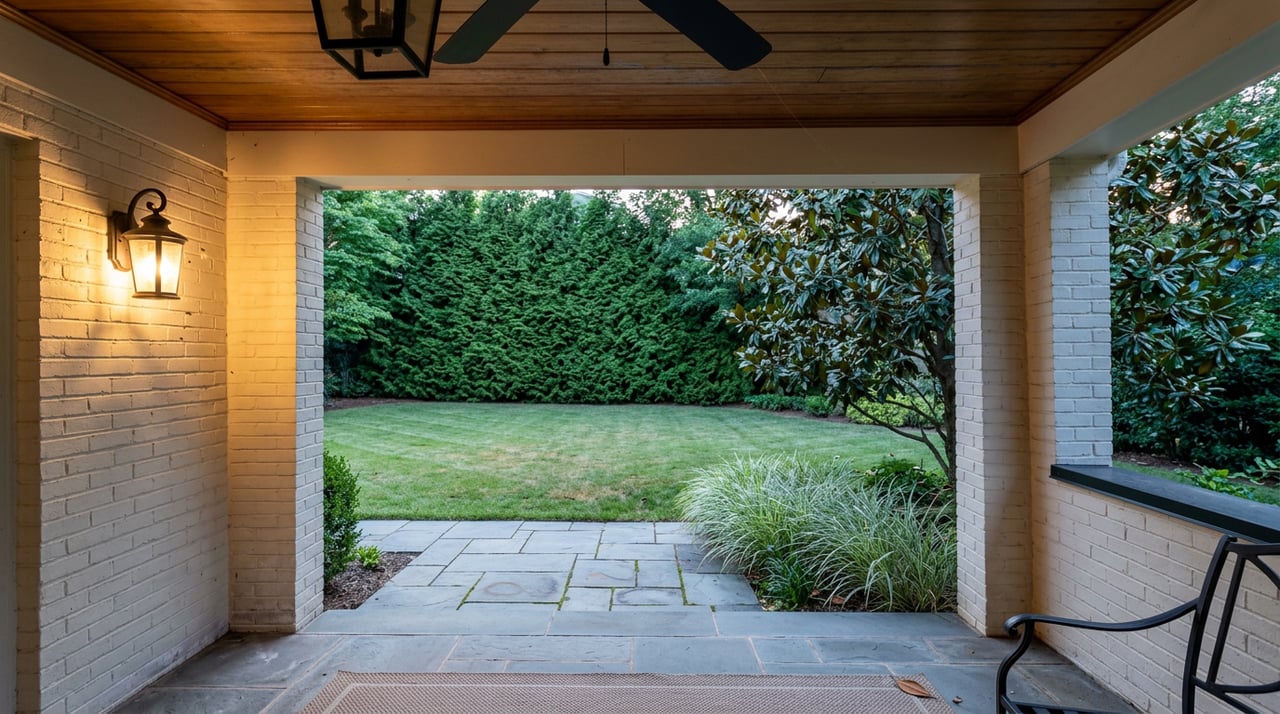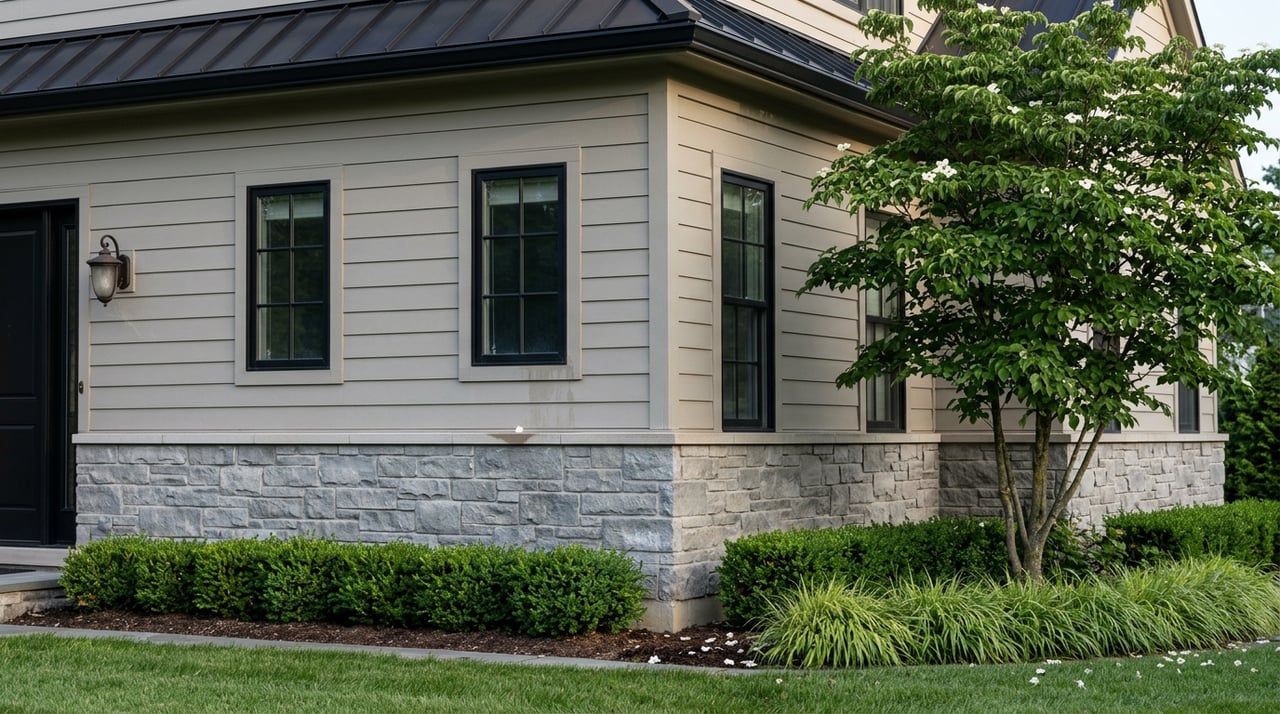
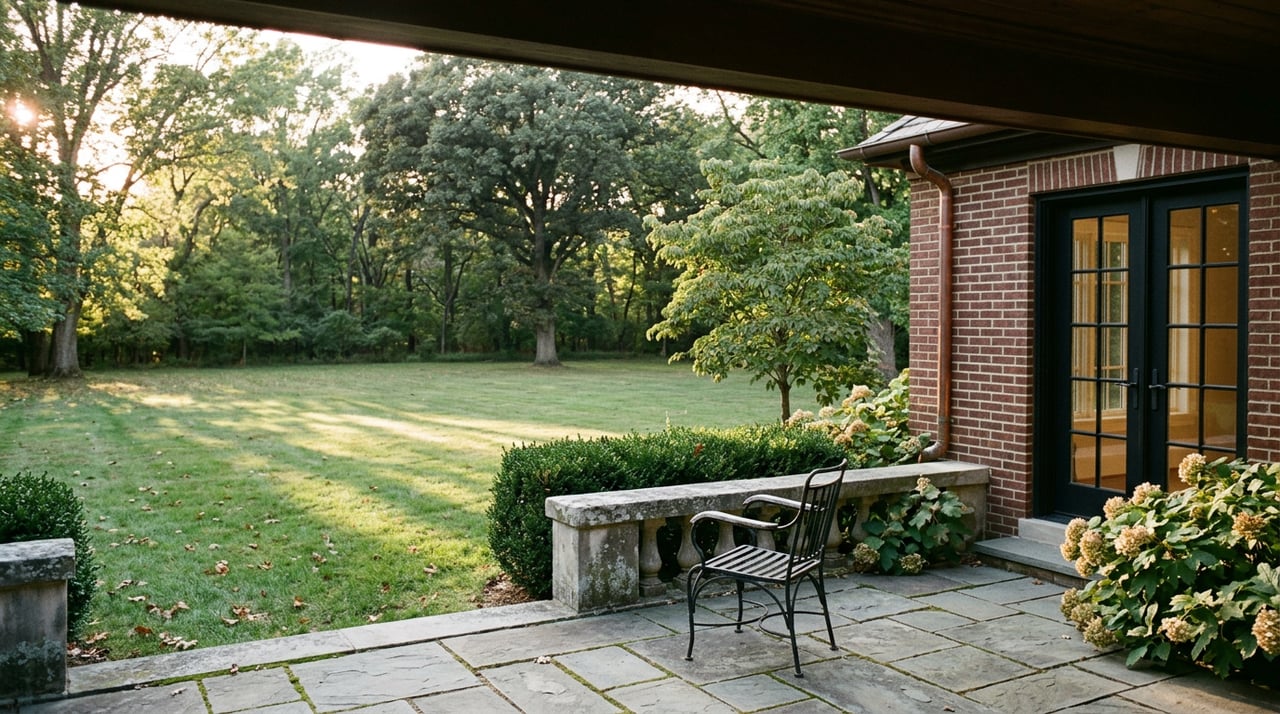
A buyer falls for a stone colonial on two wooded acres off Georgetown Pike. The listing photos show a wide lawn made for a pool house, a walkout basement that could become an in-law suite, room enough to imagine a guest cottage tucked behind the tree line. The buyer writes the offer, closes, and only then calls a contractor to start planning. That's when the contractor asks a question the listing never answered: how many bedrooms is the septic system rated for, and how much of the drain field is left to work with.
In most of Fairfax County, that question barely matters. In Great Falls, it's the whole ballgame.
The Question the Listing Photos Never Answer
Nearly every home in the 22066 zip code sits outside Fairfax County's public sewer network. The county calls this the Approved Sewer Service Area, and it's not a soft boundary. A property has to sit inside that mapped area, and a gravity sewer main has to run within 300 feet of the building, before a single-family home can even apply to connect. If a line needs to be extended to reach a property, the owner requesting the connection pays for it, not the county. Great Falls, zoned mostly Residential Estate for large-lot, low-density living, falls almost entirely outside that boundary.
That means the septic system on a given lot isn't a maintenance footnote. It's a capacity limit, sized by Fairfax County to a specific bedroom count and a specific drain field. Add a bedroom, a guest suite, or an accessory unit, and you're not just adding square footage. You're asking a fixed-capacity system to handle more wastewater than it was built for.
What a Drain Field Actually Controls
Buyers touring Great Falls tend to evaluate a lot the way they'd evaluate any large parcel: acreage, tree cover, setback from the road. What the septic system actually governs is narrower and more specific:
- How many bedrooms the home can legally have, regardless of how many the floor plan technically fits
- Whether a basement in-law suite or accessory living unit can be added without triggering a system upgrade
- Whether a pool, pool house, or detached garage can go where the drain field currently sits, since reserve field areas typically can't be built over
- How much land disturbance and tree clearing a future expansion requires, since a larger drain field often means more cleared ground
None of that shows up in a listing description. It shows up in a health department file, and usually only after a buyer asks for it.
The County Is Rewriting the Rules, and Septic Is the Sticking Point
This isn't a hypothetical concern that a cautious buyer's agent raises to sound thorough. It's an active policy conversation happening in Great Falls right now. Fairfax County is studying changes to its accessory living unit regulations, the kind of update that in most of the county would simply make it easier to add a basement apartment or a small detached unit for a family member.
The Great Falls Citizens Association has flagged a specific problem with applying that change countywide: in a community where almost no home connects to public sewer, adding an accessory unit isn't a permitting formality. It can require an upgraded septic system or an expanded drain field, which in turn can mean additional land disturbance or tree clearing on a lot that was never designed with that addition in mind. The county's study remains in an information-gathering phase as of this summer, with more community engagement expected before any ordinance changes are drafted. For a buyer weighing whether a Great Falls lot can flex to fit a growing or multigenerational household down the road, that's not background noise. It's the exact fact pattern that will decide the answer.
The Handful of Lots Wired Differently
Here's the detail that catches even experienced buyers off guard: utility status in Great Falls isn't uniform, and it isn't always bundled the way people assume. A property can have public water but private septic. A different property nearby can have both public water and public sewer, a combination rare enough that listing agents flag it explicitly as a selling point rather than a given.
Pockets near the Village Centre and communities like Seneca Gate are more likely to sit inside or adjacent to the Approved Sewer Service Area, which is part of why land in those pockets tends to carry a different kind of value than an equivalent lot further out toward River Bend Road or Utterback Store Road. Two homes with the same acreage and the same price range can carry entirely different renovation ceilings depending on which side of that invisible boundary they fall on. The only way to know which one you're buying is to check the specific parcel, not the neighborhood reputation.
Why the Median Price Won't Tell You Any of This
Pull up Great Falls home values on two different sites this month and you'll get two different stories. As of September 2026, one major portal shows the median list price at roughly $2.19 million, down about 7 percent year over year on a price-per-square-foot basis. Separately, sold-price data covering the three months ending in May 2026 showed a median sale price closer to $1.9 million, up 23 percent from the same period a year earlier, even as the sold price per square foot slipped about 2 percent and days on market stretched to 35, up from 30 the year before.
List prices falling while sold prices climb sharply isn't a contradiction. It's a mix shift. It's consistent with a market where homes with fewer constraints, public utility access, ample drain field capacity, room to expand, are the ones actually closing at strong prices, while listings carrying septic limitations or aging systems sit longer and eventually get repriced. That gap doesn't prove septic status decides every transaction, but it lines up with what the county's own zoning rules and the local citizens association are both pointing at as this market's defining split.
What This Means If You're Comparing Great Falls to Somewhere Else
Buyers cross-shopping Great Falls against McLean or Ashburn are usually comparing commute time, lot size, and price per square foot. Those comparisons miss the mechanism that actually separates Great Falls from most of the rest of Northern Virginia: in Ashburn, a home on public sewer can add a bedroom or an accessory unit without touching a septic permit. In Great Falls, that same addition often starts with a call to a septic engineer, not a contractor.
That's not a reason to avoid Great Falls. It's a reason to price the flexibility, not just the square footage, before you write an offer. A well-maintained septic system with documented pump-out records and reserve drain field capacity is worth asking about the same way you'd ask about a roof or an HVAC system. Routine pumping typically runs a few hundred dollars every three to five years. A full system failure and replacement is a five-figure repair, not a maintenance line item, and it's the kind of cost that changes the math on a home that otherwise looked like the right lot at the right price.
A Short Checklist Before You Write the Offer
- Request the septic permit on file with Fairfax County to confirm the bedroom rating and drain field location
- Ask for pump-out and service history, ideally five to ten years back
- Confirm whether the property sits inside the Approved Sewer Service Area, and if so, how far the nearest main actually is
- Have any planned addition, ADU, or pool sited against the existing drain field before you assume it fits
Frequently Asked Questions
Does every home in Great Falls run on well and septic? No, but the overwhelming majority do. A small number of parcels, generally those closer to the Village Centre or inside communities like Seneca Gate, have access to public water, public sewer, or both. Status has to be confirmed parcel by parcel.
Can I just pay to extend public sewer to a Great Falls property that doesn't have it? Sometimes, but the county's rules make this narrower than most buyers expect. The property has to sit within the Approved Sewer Service Area, a gravity main has to be reachable within 300 feet for a single-family home, and the property owner requesting the extension covers the cost.
How does this affect resale, not just my own plans? A future buyer will ask the same questions you're asking now. A documented, well-maintained septic system with room in its rated capacity is a selling point. An undocumented or aging one becomes a negotiating point at inspection, the same way a dated roof would.
Great Falls remains one of the few places in Northern Virginia where land, privacy, and proximity to Washington still come bundled together. But the lot line was never the real constraint. The drain field was. Before you fall for the acreage, find out what it will actually let you build.
If you're comparing Great Falls to another Northern Virginia community, or you already own here and want a clear read on what your specific parcel can support, Artie Korangy Homes can walk the utility and septic history with you before you write an offer, or provide a free home valuation if you're the one deciding what to do next.