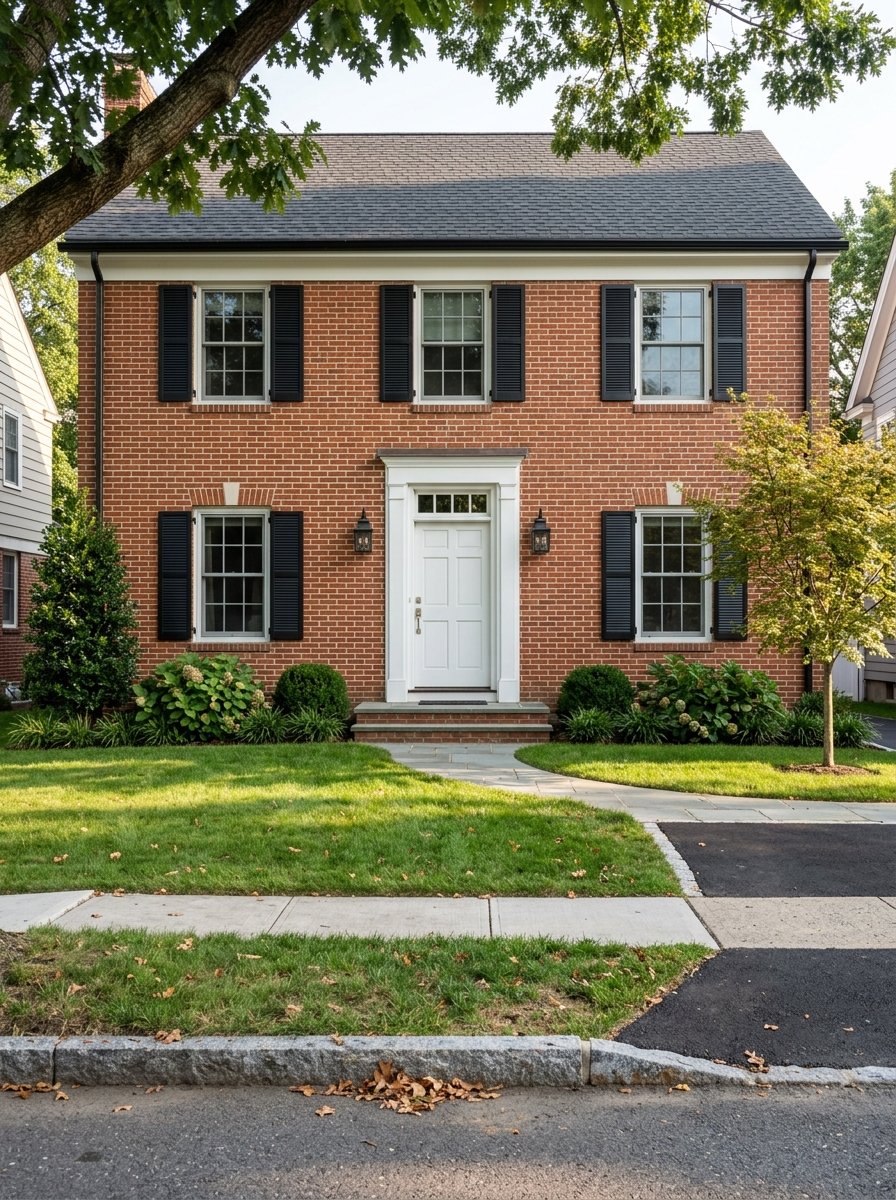
Wondering whether Arlington fits the way you actually want to live, commute, and buy? That is a smart question, because Arlington is not one single lifestyle. If you are comparing convenience, housing options, outdoor access, and day-to-day rhythm, this guide will help you understand what Arlington offers and where it may or may not match your next move. Let’s dive in.
Arlington at a glance
Arlington offers a more connected, urban feel than many outer Northern Virginia suburbs, especially near Metro stations. At the same time, it is not all high-rise living. The county’s planning approach concentrates higher-density development near major transit corridors, with quieter residential blocks beyond those core areas.
Arlington reported 240,900 residents, 117,700 households, and a daytime population of 302,700 in its 2024 factsheet. The average household size is 2.02, and the median household income is $137,387. Those numbers help explain why Arlington often appeals to people who want access, efficiency, and a wide range of daily conveniences in a compact area.
Arlington feels like urban villages
A helpful way to think about Arlington is as a collection of transit-oriented urban villages. The county identifies three main planning corridors: Rosslyn-Ballston, Richmond Highway, and Columbia Pike. In the Metrorail corridors, higher-density development is generally concentrated within a quarter-mile of station entrances.
That planning model shapes daily life. If you live near a station, you are more likely to have easy access to shops, restaurants, offices, parks, and transit. Move farther from those corridors, and the feel often becomes quieter and more residential.
Commute options are a major draw
For many buyers, Arlington’s biggest advantage is mobility. The county’s transit system includes Arlington Transit, Metrorail and Metrobus, MetroAccess, Virginia Railway Express, commuter services, and walking and biking programs like WalkArlington and BikeArlington.
The county also notes that this network can support active and affordable lifestyles without requiring residents to own a car. If reducing drive time or relying less on a car matters to you, that can be a meaningful quality-of-life benefit.
Metro-access neighborhoods to know
Several Arlington areas stand out for strong transit access and mixed-use convenience.
- Rosslyn offers an urban gateway feel with offices, parks, restaurants, and a mix of housing near Metro. The county says more than 6,000 residences are within a 10-minute walk of the station.
- Ballston is described by the county as a major transportation hub with homes, offices, hotels, shops, restaurants, and open spaces.
- Courthouse centers around Metro and includes residential, office, and retail uses near county government services.
- Crystal City combines residential and office buildings, shops, hotels, and easy access to Metro.
- Pentagon City is known for shopping, dining, housing options, and Metro convenience.
National Landing, which includes Crystal City, Pentagon City, and Potomac Yard, is another major point of interest. The county describes it as a rapidly diversifying mixed-use area with nearly 30,000 residents, four Metro stations, and close proximity to Reagan National Airport.
Housing in Arlington is diverse, but leans multi-family
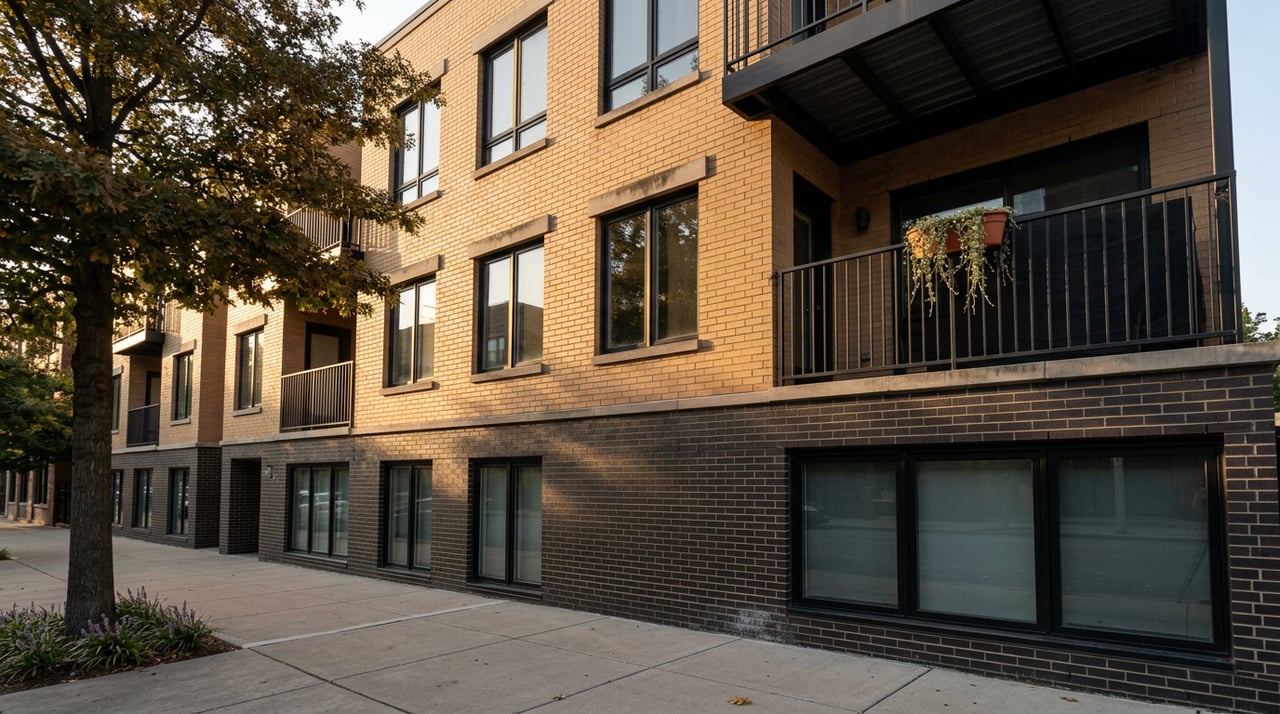
If you are starting your home search in Arlington, it helps to set expectations early. Arlington has a wide mix of housing, but the overall stock leans heavily toward condos, apartments, and other multi-family options.
According to the county’s 2024 figures, 72.0% of housing units are multi-family, 22.3% are single-family detached, and 5.7% are single-family attached. Arlington also reports that 62.1% of occupied homes are renter occupied, while 37.9% are owner occupied.
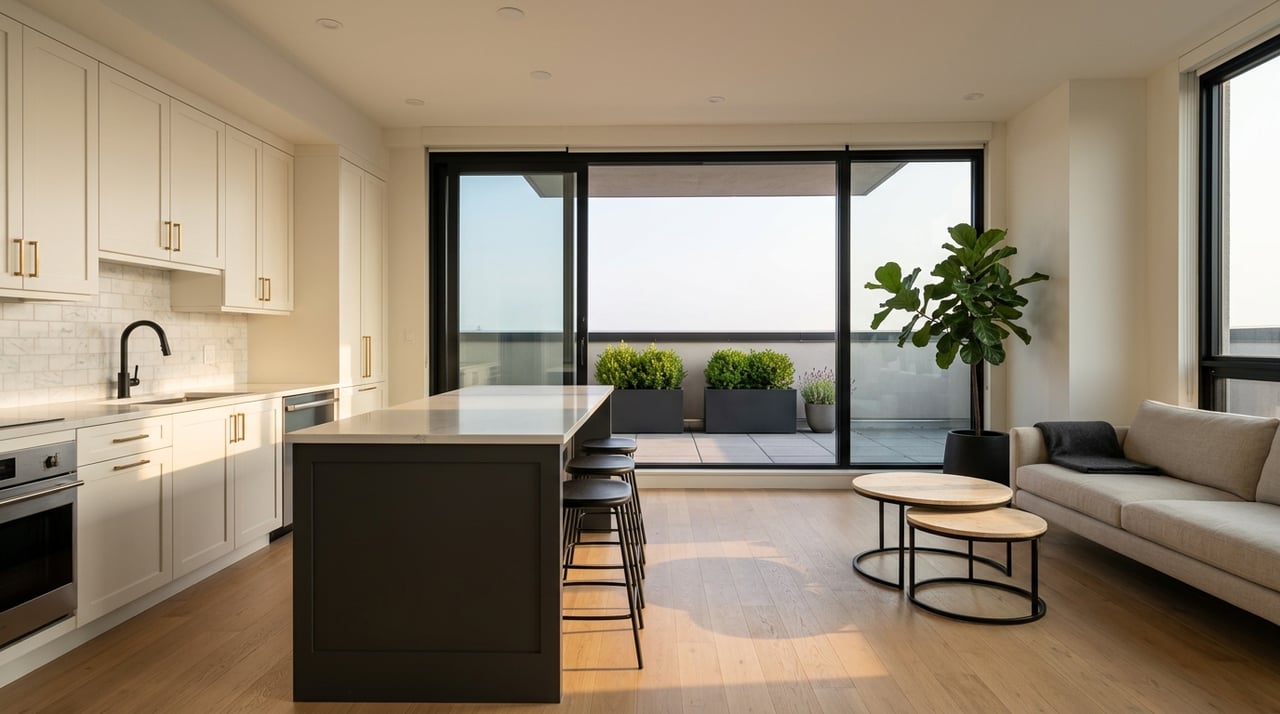
That does not mean detached homes are unavailable. It does mean you will generally see more condo and apartment inventory, especially in the most transit-rich areas. If your priority is a low-maintenance home near Metro, Arlington may line up well with your goals.
What that means for buyers
Arlington may be a strong fit if you want:
- Walkability for daily errands and dining
- Metro access or easier commuting options
- More condo and townhome choices
- A lifestyle built around connected neighborhood centers
- Easy access to parks and trails without leaving the county
You may need to look more carefully, or broaden your search, if you want:
- More single-family inventory
- Larger private lots
- A lower-density setting close to your home
- Maximum space near the most transit-rich corridors
Arlington neighborhoods offer different lifestyles
One of the biggest mistakes buyers make is treating Arlington like one uniform market. In reality, each area has its own rhythm, housing mix, and level of activity.
Rosslyn and Ballston
Rosslyn has a distinctly urban profile, with high-rise apartments and condos, older smaller buildings, and newer luxury townhouses. It is a practical option if you want quick Metro access and a dense, connected setting.
Ballston also feels active and built around movement. The county describes it as a busy downtown-type neighborhood with offices, residential buildings, hotels, shops, restaurants, and open space.
Clarendon and Courthouse
Clarendon blends apartments, condos, office buildings, restaurants, bars, shops, and single-family homes. The county also notes tree-lined streets and public art, which adds to its walkable, mixed-use feel.
Courthouse has a similar convenience factor, with residential, office, and retail uses centered around Metro and the plaza. If you want a central location with practical access to services and transit, it is worth considering.
Crystal City and Pentagon City
Crystal City is a transit-oriented mixed-use area with restaurants, hotels, shops, offices, and residential buildings. It also benefits from being close to the airport, which can matter if travel is part of your routine.
Pentagon City combines Metro access with multiple housing types, major park space, and strong retail and dining presence. Buyers often look here when they want convenience and a more all-in-one daily setup.
Columbia Pike
Columbia Pike offers a different feel from the Rosslyn-Ballston corridor. The county describes it as Arlington’s Main Street, with a blend of housing, local shops, and culturally diverse restaurants.
If your ideal area is less about a high-rise skyline and more about a neighborhood commercial corridor with local character, Columbia Pike may stand out.
Parks and trails add real lifestyle value
Arlington’s outdoor access is a major part of the local appeal. In 2026, the county said its park system ranked seventh in the Trust for Public Land’s ParkScore list, marking 11 straight years in the top 10.
The county also reports more than 950 acres of county-owned parkland across 26 square miles. That is a notable amount of park access for a county with a compact, built-up footprint.
Trails support active daily living
Arlington says it has nearly 49 miles of paved multi-use trails, along with additional hiking trails. The network is also supplemented by major regional trails maintained by other agencies, including the Mount Vernon Trail and the W&OD Trail.
If you value walking, biking, or fitting outdoor time into a busy schedule, this trail system can make a real difference. It supports the kind of everyday activity that is easier to maintain when it is built into your environment.
A good example of Arlington parks
Virginia Highlands Park gives you a good sense of Arlington’s urban park style. At nearly 20 acres, it includes ballfields, tennis and pickleball courts, basketball courts, a volleyball court, a sprayground, a dog run, a playground, and an urban garden.
That mix reflects what many buyers appreciate about Arlington parks. They are often active, practical, and woven into neighborhood life rather than set far away from where people live.
Arlington home values in context
For broad market context, Arlington said the average assessed residential value for 2026 is $882,900, up from $854,900 the year before. The county also reported that 78% of residential owners saw an assessed increase.
It is important to keep that number in perspective. The county says assessments reflect its opinion of fair market value, so they can be useful for general context. They are not a substitute for a neighborhood-level comparable sales analysis when you are deciding how much to offer or how to price a home for sale.
Is Arlington the right fit for you?
Arlington may be the right move if your top priorities are commute flexibility, walkability, parks, and access to condo or townhome options. It can also be a strong fit if you want a location where daily life feels connected and efficient.
It may be less ideal if your must-have list starts with a larger lot, lower-density surroundings, or a broader selection of detached homes close to the county’s busiest transit corridors. In that case, your search may involve tradeoffs between space and convenience.
The key is to match your budget and lifestyle with the right part of Arlington, not just the county as a whole. A focused strategy matters, because block-by-block differences can shape everything from your commute to your housing options and long-term value.
If you are weighing Arlington against other Northern Virginia communities, a clear local comparison can save you time and help you make a more confident move. For practical guidance on neighborhoods, pricing, and next steps, connect with Artie Korangy Homes.
FAQs
Is Arlington, VA a good place to live if you want public transit?
- Yes. Arlington has an integrated transit network that includes Arlington Transit, Metrorail, Metrobus, VRE, commuter services, and walking and biking programs, with especially strong access around Metro station areas.
What types of homes are most common in Arlington, VA?
- Multi-family homes are the most common. County data shows 72.0% of Arlington’s housing stock is multi-family, compared with 22.3% single-family detached and 5.7% single-family attached.
Which Arlington neighborhoods are known for walkability and Metro access?
- Rosslyn, Ballston, Courthouse, Crystal City, and Pentagon City are all identified by the county as transit-oriented areas with strong Metro access and mixed-use convenience.
Does Arlington, VA have good parks and trails?
- Yes. Arlington reports more than 950 acres of county-owned parkland and nearly 49 miles of paved multi-use trails, plus access to major regional trails like the Mount Vernon Trail and the W&OD Trail.
Are Arlington home values generally high?
- Arlington’s 2026 average assessed residential value is $882,900, according to the county. That figure offers broad market context, but individual home values depend on location, condition, size, and comparable sales.