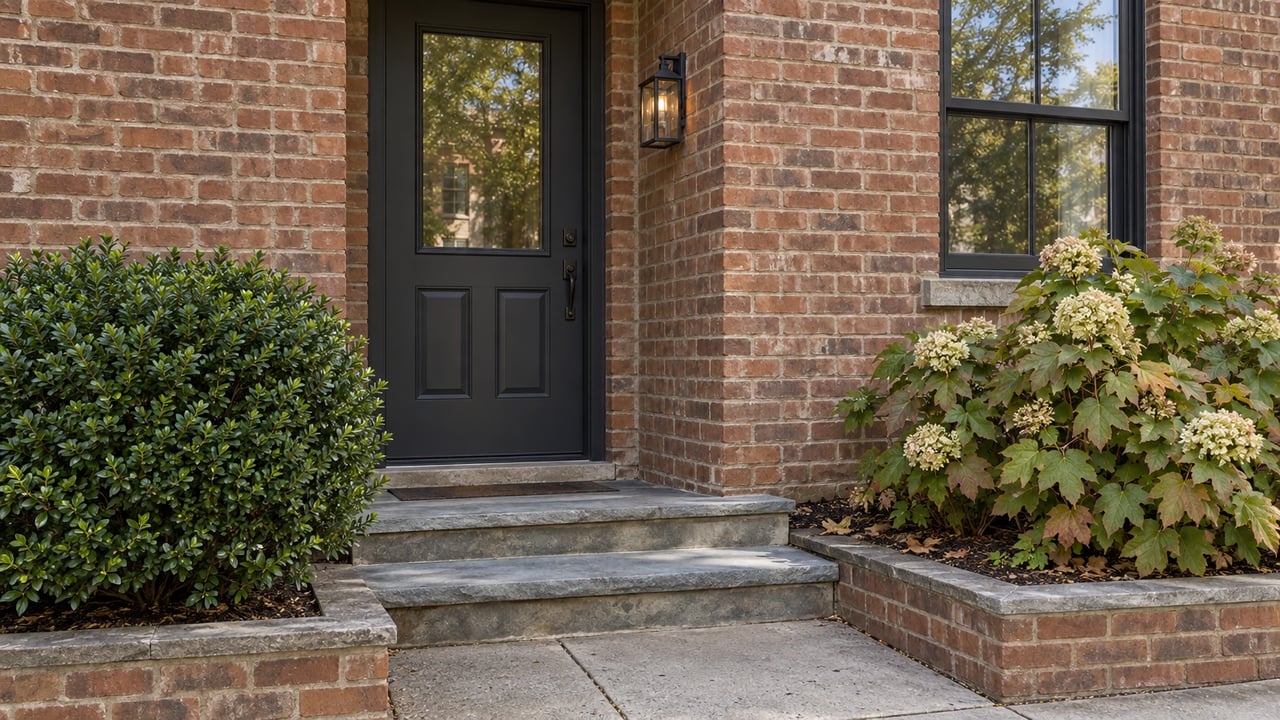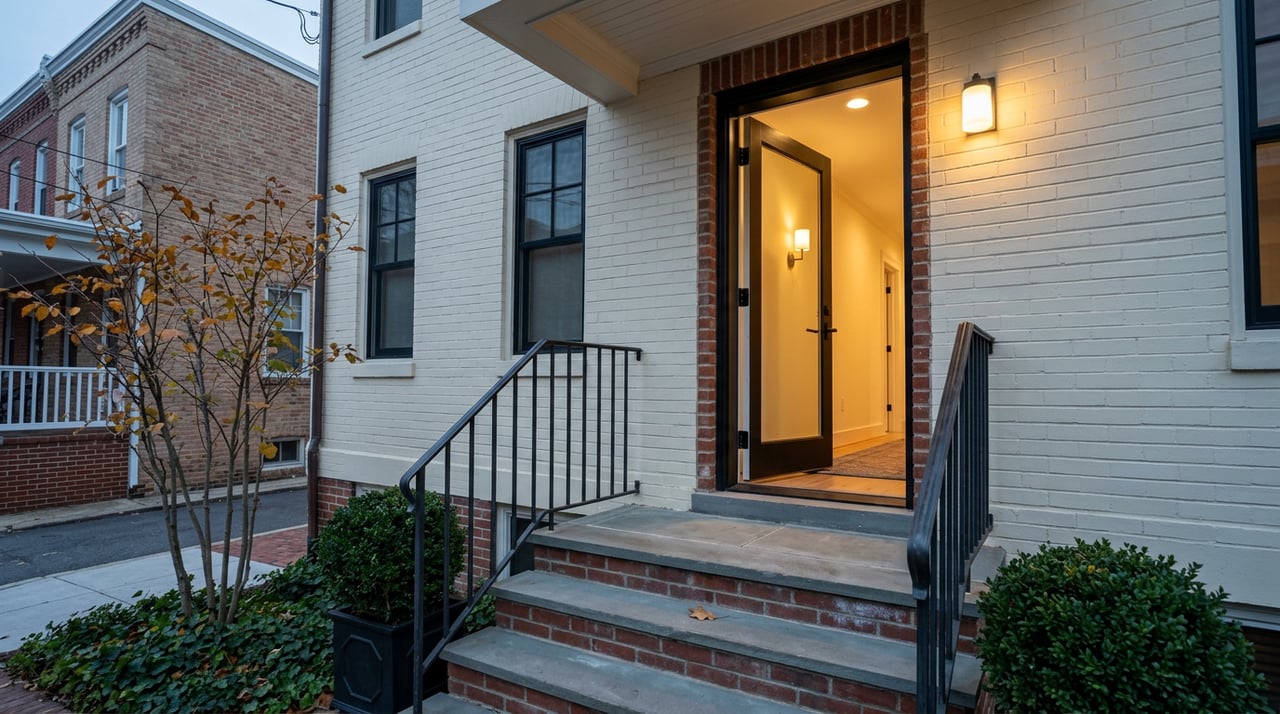
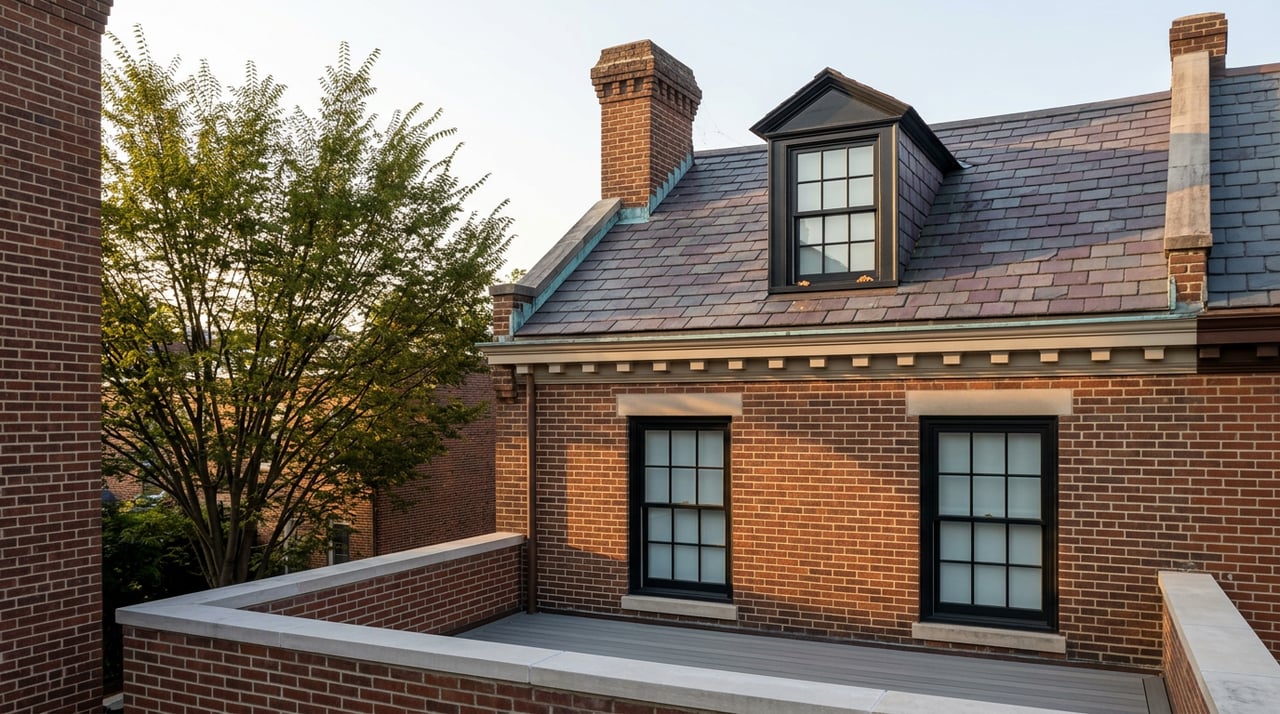
A homeowner in Old Town decides in early September that new windows or a rooftop deck would help a listing show better before it hits the market in October. That homeowner assumes this is a permit matter, something a contractor handles in a week or two. In most of Northern Virginia, that assumption would hold. In Old Town Alexandria and the Parker-Gray district, it can be wrong in a way that costs an entire selling season.
Here is the piece most renovation guides skip: the rulebook that decides whether your project clears in two weeks or two months is being rewritten right now, while you are trying to plan around it. The city opened its Historic Design Guidelines for public comment on August 5, 2026, held a public meeting on August 19, and keeps the comment window open through September 2. If you are timing an exterior update to a fall listing, you are planning against a target that is still moving.
Two Speeds, One Board
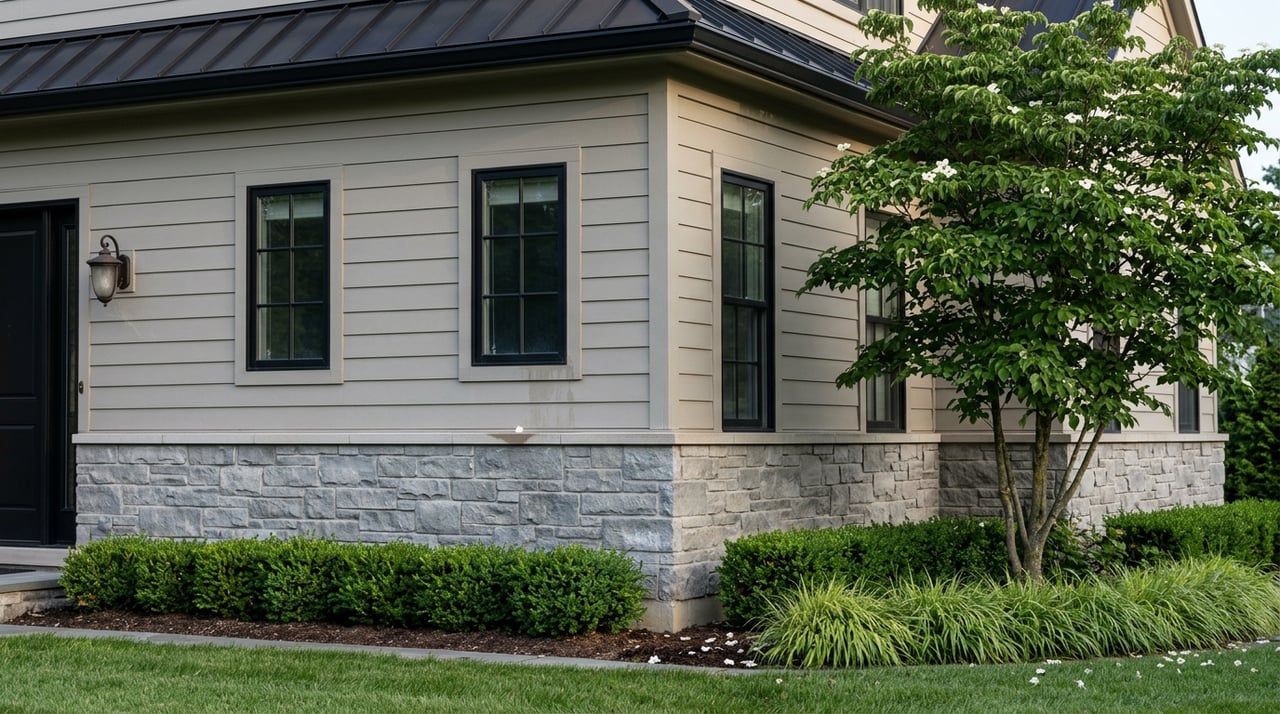
Any exterior alteration visible from a public street or alley inside the Old and Historic Alexandria District or the Parker-Gray District needs a Certificate of Appropriateness before a building permit can be issued. So does any demolition of more than 25 square feet of material, even if nobody can see it from the sidewalk. That covers window replacements, new doors, rooftop additions, fences, and most exterior lighting changes.
What splits a fast project from a slow one is whether it qualifies for administrative review or requires a full Board hearing. Minor work such as repainting in the same color, replacing roofing with similar material, or routine maintenance often clears through staff-level administrative approval, sometimes in days, typically within a couple of weeks. Anything more substantial, a major addition, new construction, a full window or door replacement with a different profile, goes to the seven-member Board itself. That path starts with a pre-application consultation, requires a complete application at least 30 days before the hearing date, and runs on a fixed calendar: the Board meets the first and third Wednesday of every month except August. From submission to decision, plan on close to two months.
That gap, administrative approval in under a month versus a Board hearing pushing eight to ten weeks, is the single biggest variable in whether a pre-listing renovation helps your timeline or derails it.
What the City Is Actually Changing
The meeting on August 19 at the Nannie J. Lee Recreation Center drew a full room of residents, and the draft chapters presented there would touch a decade of settled assumptions about what counts as minor.
Three changes matter most for anyone planning to sell:
- The guidelines would formally split buildings into two categories, "Early" for anything built before 1932 and "Later" for anything built after 1931, with the intention that review scrutiny would vary by category rather than applying one standard to every structure in the district.
- The draft would distinguish "street-facing" from "non-street-facing" elevations, a change city planners framed as a way to reduce confusion about which parts of a house actually draw full review.
- Some residential installations that currently require a full look, including EV chargers, rooftop decks, security systems, and exterior lighting, could move to administrative approval instead.
Reaction at the meeting split along a predictable line. Scott Corzine, a board member of the Old Town Civic Association, welcomed the direction of the changes but said the association's central concern is making sure faster review does not come at the cost of the district's essential character. Steve Davidson, chair of Agenda: Alexandria, called the proposal reasonable and said the intake process looked flexible. A North Old Town resident who attended, Melissa Kuennen, said she came mainly to gauge how much the Parker-Gray and Old Town standards might converge, since the two districts currently run on separate rulebooks despite overlapping in building age.
None of this is finalized. Public comment on the eleven draft chapters stays open through September 2, after which city staff incorporate feedback into a final version before it goes to the Board for adoption. There is no published adoption date yet.
Why the Uncertainty Matters More Than the Rules Themselves
If you own a home in OHAD or Parker-Gray and are weighing a pre-listing exterior update, you are choosing between two versions of the rulebook that may not be the same version by the time your project reaches a hearing. A rooftop deck that needs full Board review today could plausibly move to administrative approval if the draft passes as written, which would cut your timeline from roughly two months to a few weeks. But "plausibly" is not a plan. Filing now under the current rules gives you a known 30-day-notice, two-meetings-a-month process. Waiting for the new guidelines to formally adopt means waiting for a timeline the city itself has not set.
Either way, one part of this does not change with the guideline rewrite: unpermitted work still has to surface eventually, and it surfaces at the worst possible time. If a previous owner or a past contractor made an exterior change without getting BAR sign-off, that gap does not disappear when you list. It can require retroactive permitting before closing, and it has to be disclosed to the buyer regardless of when the work happened. A seller who assumes an unpermitted deck or window swap is a problem for someone else's contract is planning around a fact that will not hold up in due diligence.
What a BAR-Approved Update Is Actually Worth Right Now
Old Town's numbers over the past year explain why this is worth the extra planning. Across all of 2025, homes in the 22314 zip code closed at a median sold price of $900,000, moving at an average of 22 days on market and selling for close to 99 percent of list. That is a market that rewarded a home that was simply ready.
The most recent weekly snapshot for the city looks different. In the week of August 20 through 26, 2026, 21 homes closed across Alexandria at a median sale price of $750,000. Old Town and the blocks just north of it still took four of the six sales that crossed $1 million that week, so the top of the market has not softened. But among the sales with full listing histories, homes closed at 97.3 percent of their original asking price, down from 98.5 percent the week before, and averaged 83 days from first listing to closing, well past the 22-day pace Old Town posted across all of 2025.
Read together, those numbers say the same thing from two directions: buyers at the top of the Old Town market are still paying up, but they are taking longer to commit and giving sellers less room on price along the way. In that kind of market, a home that shows up with a BAR-approved deck, new windows, or updated exterior lighting already in place is competing on readiness instead of asking a buyer to absorb months of paperwork after closing. A home listed as-is, with visible exterior work still pending approval, is asking today's slower, pickier buyer to take on a process the seller could have finished first.
Frequently Asked Questions
My home is outside Old Town but is more than 100 years old. Does BAR still apply? Only if it carries a specific One Hundred-Year-Old Building designation from City Council, which is separate from simply being old. Properties designated this way are regulated by the Board even outside the OHAD and Parker-Gray boundaries. The city's Historic Preservation Map viewer will show whether a specific address carries that designation.
Can I start work while my BAR application is pending? No. A Certificate of Appropriateness has to be approved before a building permit can be issued, and the building permit has to be in hand before work starts.
Does a Certificate of Appropriateness cover interior renovations? No. BAR review applies to exterior alterations visible from a public way and to demolition of more than 25 square feet of material. Interior work generally falls under standard building permits rather than BAR review.
If you are weighing whether a pre-listing update in Old Town or Parker-Gray is worth the timeline, or want a read on what your specific block is doing in this slower, still-competitive market, Artie Korangy Homes can walk through the numbers with you and help you decide what to fix before you list and what to leave for the next owner. Get a Free Home Valuation to start that conversation.