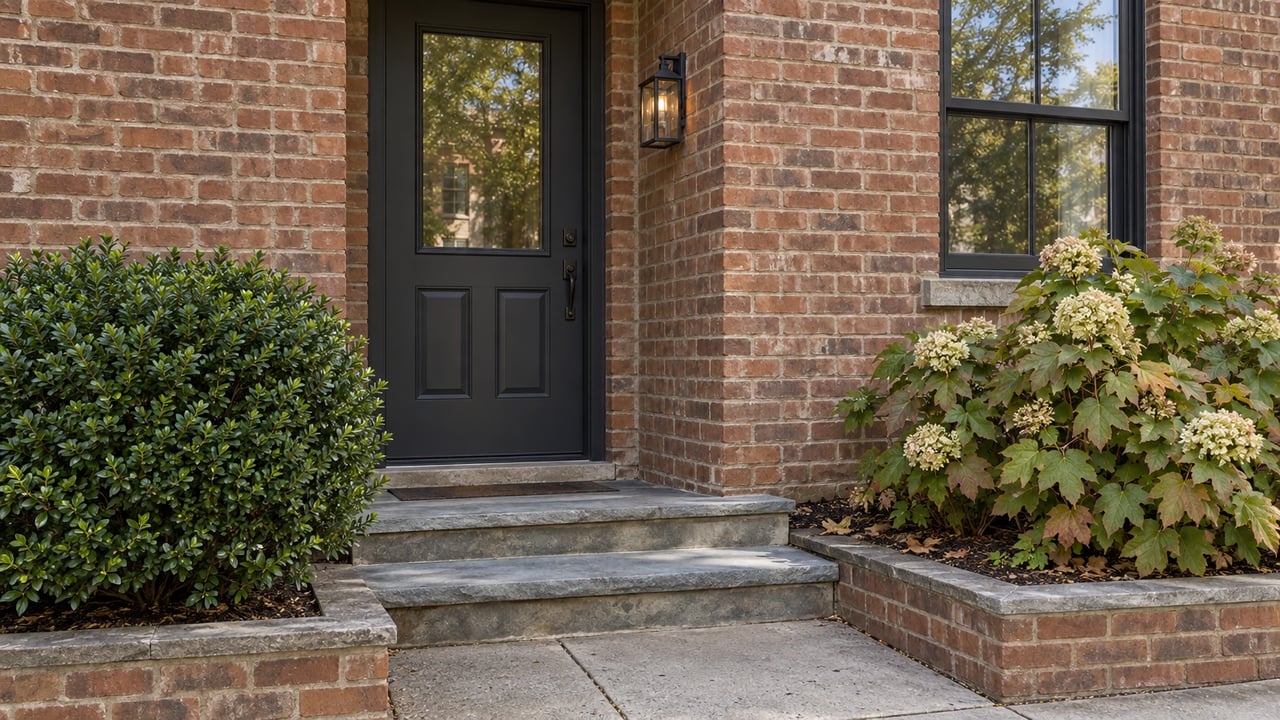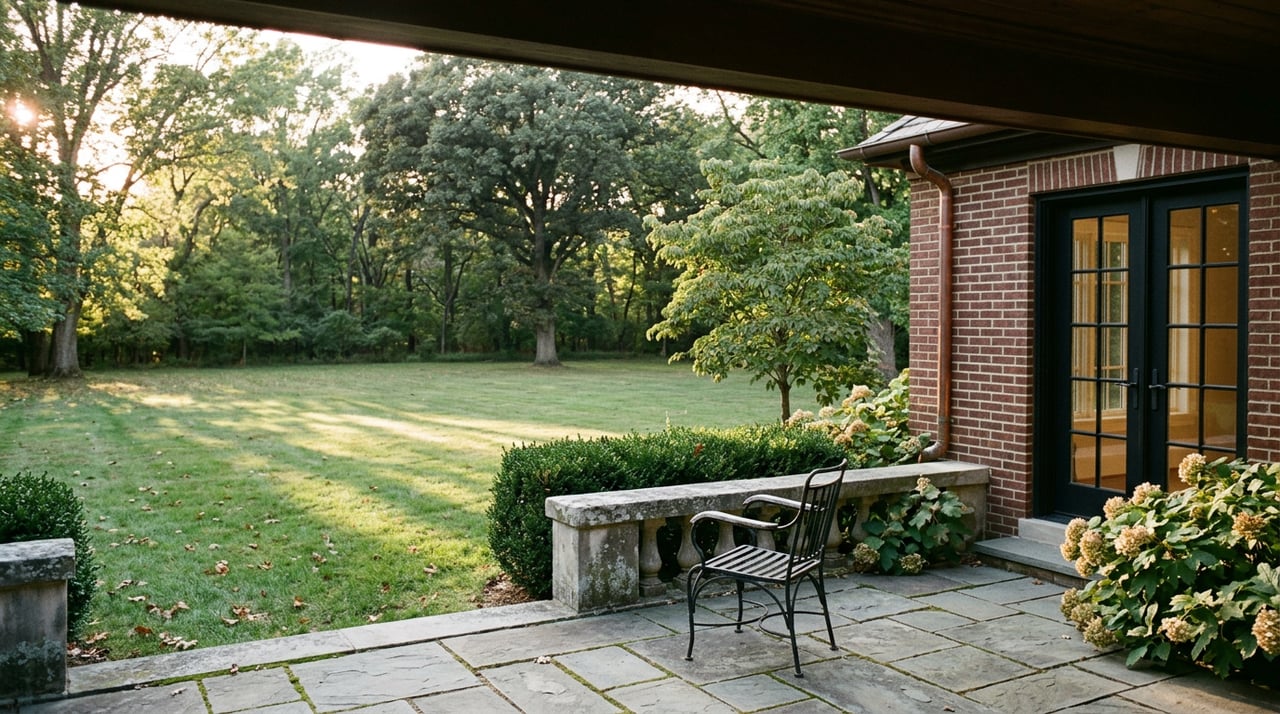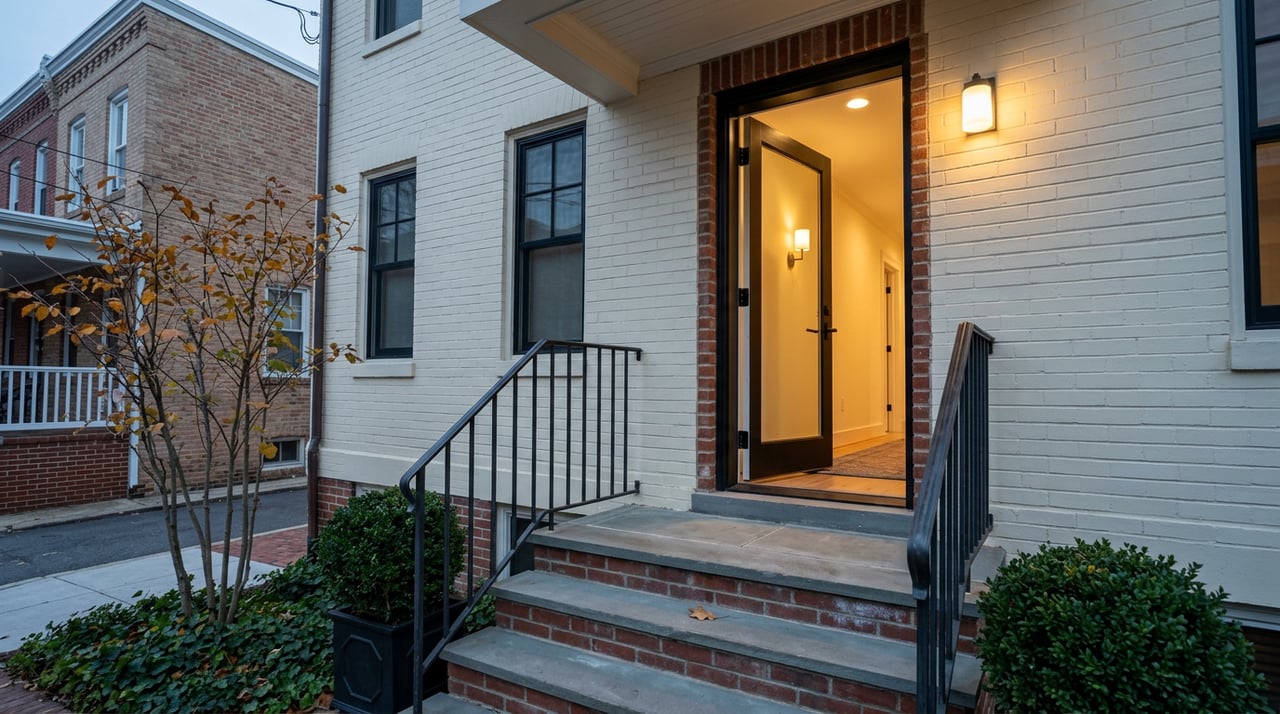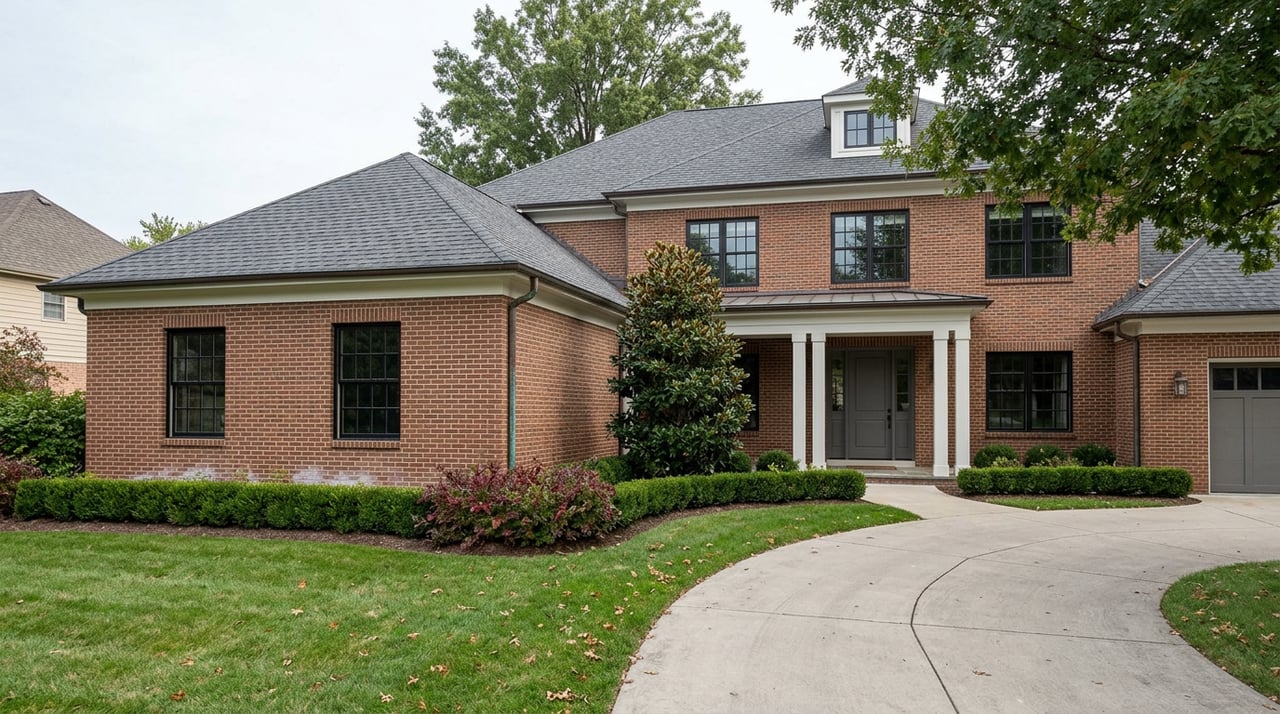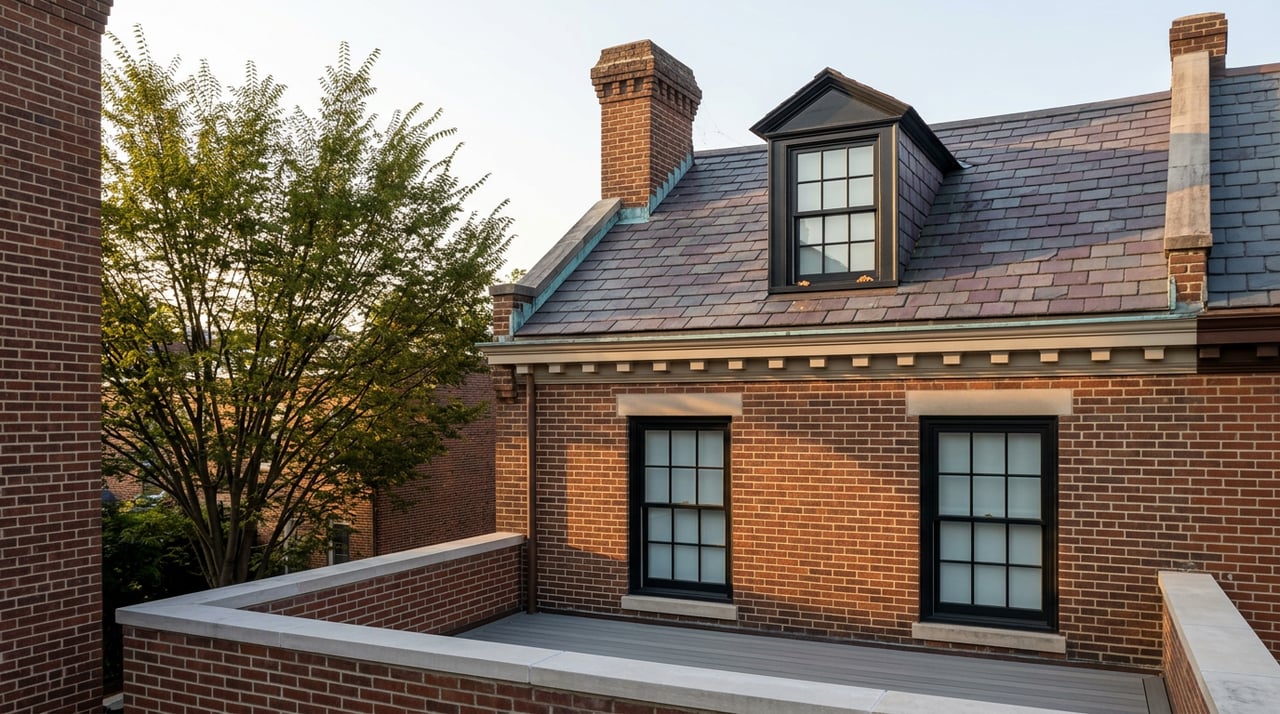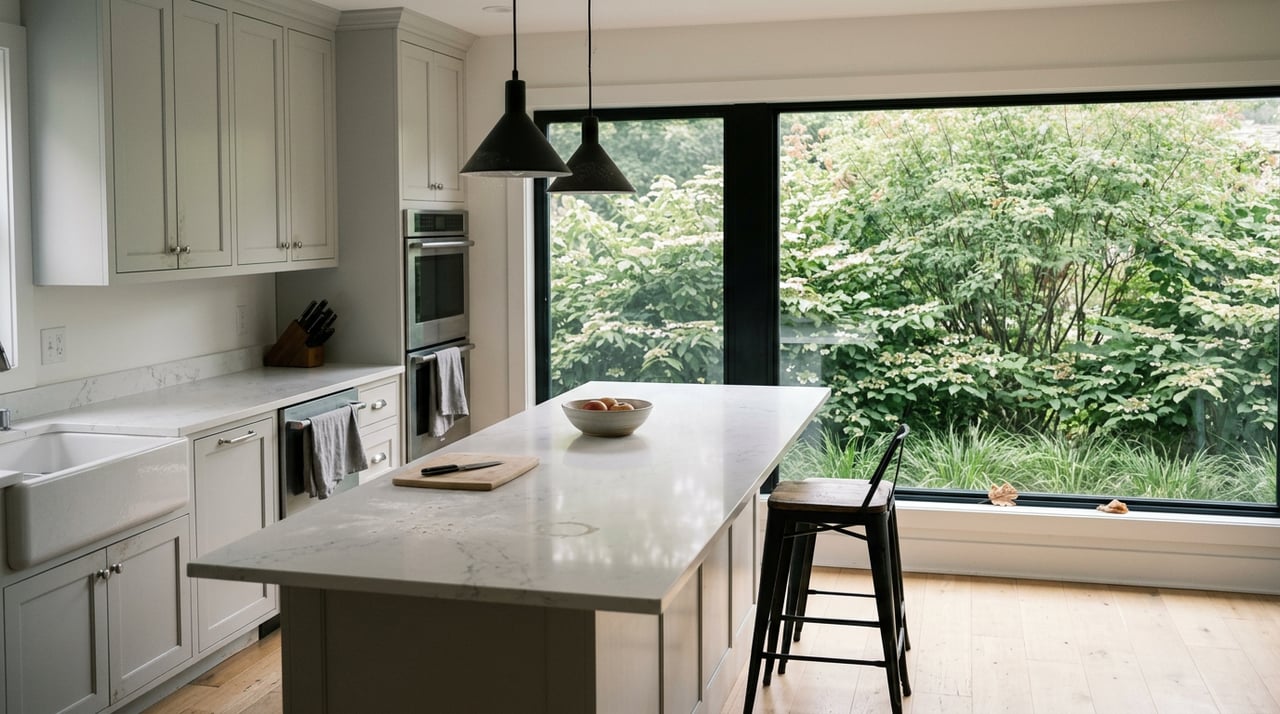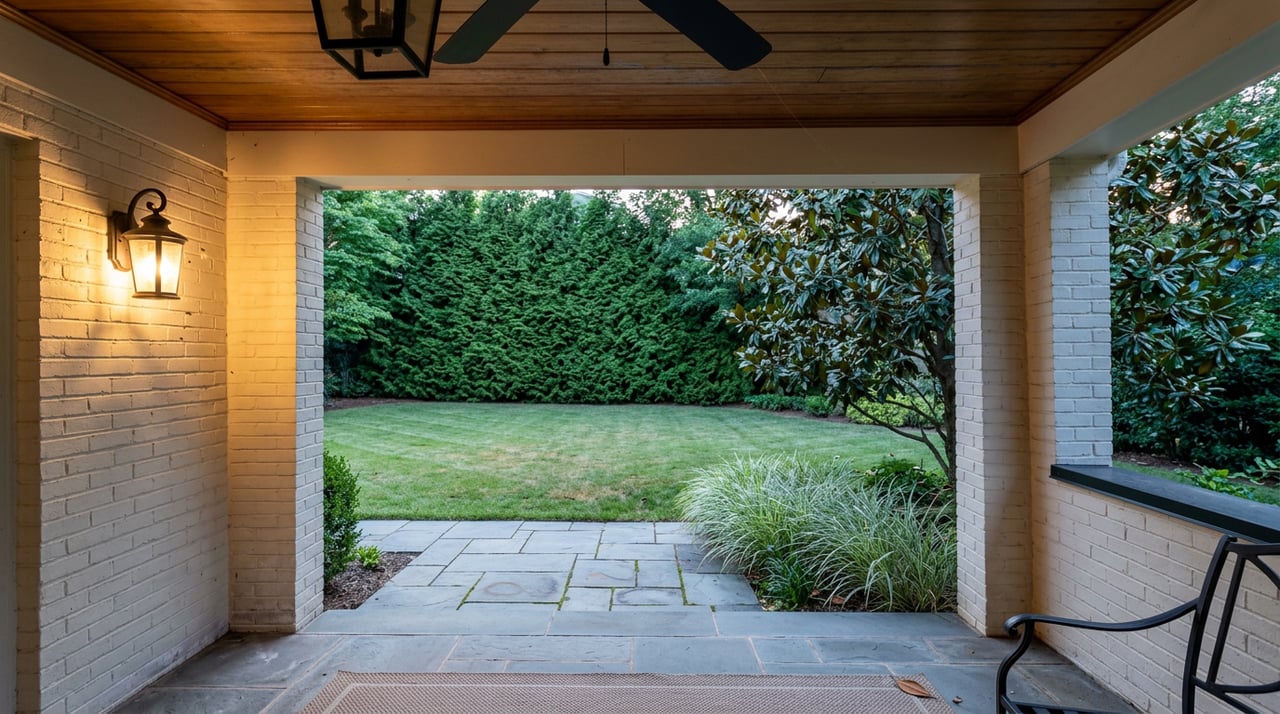
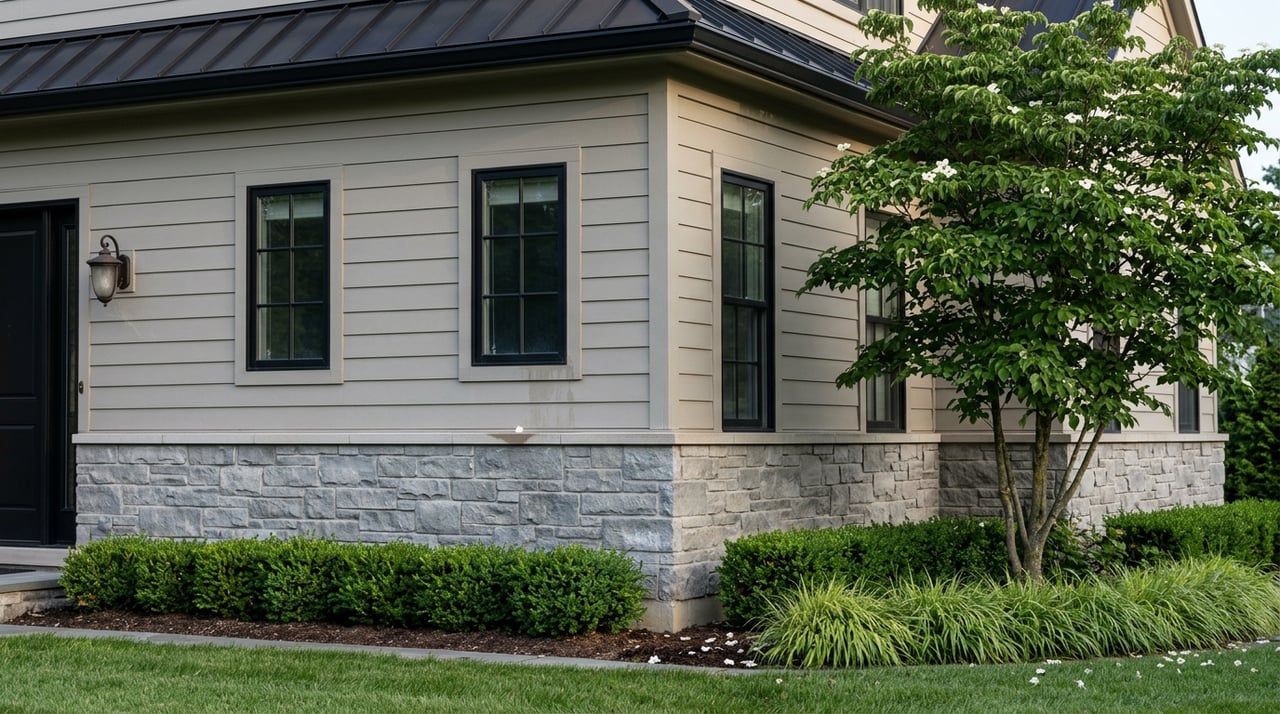
Two houses sold within a few blocks of each other in McLean's Franklin Park neighborhood this year, and they told completely different stories about what a home there is worth. One, a structure from the neighborhood's original build-out, closed around $1.08 million. Another, a new custom home on a comparable lot nearby, closed at nearly $5 million. Same streets, same school pyramid, same zip code. A price gap of nearly $4 million.
If you've been watching McLean's numbers on the major portals, you've probably seen a smaller but equally confusing version of that gap. Zillow's home value model puts the typical McLean home at roughly $1.43 million to $1.5 million as of mid-2026. Redfin's own June 2026 update reported a three-month median of $1.9 million for the period ending May 2026, alongside an average sale price of $2.08 million for the most recent month, up 38.3 percent year over year. Realtor.com's December 2025 listing data showed a median asking price closer to $3 million. Three sources, three very different numbers, all supposedly describing the same town.
The instinct is to assume someone made an error, or that the market is swinging wildly month to month. Neither is true. McLean's median is unstable because McLean is no longer one housing market. It is two, occupying the same map.
The Split Nobody Priced In
Walk through Langley Forest, Salona Village, or Franklin Park and you'll pass homes built in the 1960s and 1970s sitting on lots that, in many cases, are worth more than the structures on them. That isn't a comment on how the houses have aged. It's a straightforward math problem: land in these neighborhoods now commands roughly $900,000 to $2 million depending on lot size, school pyramid, and proximity to Washington, while the ranch or split-level on that land was never built to modern standards for ceiling height, layout, or mechanical systems. Bringing it up to that standard often costs more than starting over.
That's why teardown activity concentrates in exactly these older sections of McLean rather than spreading evenly across town. A buyer purchasing a 1960s colonial in Franklin Park today is very often not buying a house. They're buying a lot, and the closing price reflects land value more than square footage.
Meanwhile, a smaller slice of McLean's inventory is brand new. Recent new construction listings in the 22101 zip code have ranged from about $2.4 million to nearly $4 million for homes between 5,000 and 8,600 square feet. That range isn't a coincidence. It's roughly what you get when you add a $900,000 to $2 million McLean lot to a $1.5 million to $2.5 million construction budget at the region's typical $350 to $550 per square foot build cost.
So when a portal's monthly median leans toward the first group, the number drops. When it leans toward the second, the number climbs. The market didn't move. The mix did.
What the Portals Are Actually Measuring
| Source | Figure | Window |
|---|---|---|
| Zillow typical home value | ~$1.43M–$1.5M | Through June 2026 |
| Redfin, closed sales | 3-month median ~$1.9M (ending May 2026); average sale price ~$2.08M | June 2026 update |
| Movoto median, closed sales | ~$2.2M | June 2026 |
| Realtor.com median, active listings | ~$3M | December 2025 |
None of these are miscalculated. They're measuring different slices of the same inventory at different points in the sales funnel. Zillow's model smooths across the entire housing stock, including homes that haven't changed hands recently. Redfin and Movoto's figures reflect only what actually closed, which can swing hard when a handful of high-value estate sales land in the same window, since McLean sells in low enough volume that a few multimillion-dollar closings move the median meaningfully. Realtor.com's listing median captures what sellers are asking, which tends to skew toward the newer, larger end of the market simply because that's where sellers currently have the most room to price aggressively.
If you're comparing McLean to another Northern Virginia neighborhood using a single median from a single site, you're very likely comparing two different segments of two different markets, not two comparable towns.
The Friction That Catches Buyers Off Guard
If you're the one considering the teardown side of this equation, the math above is only the beginning. Fairfax County treats a teardown-rebuild as a land use decision, not just a purchase. A few things to keep in mind before you get attached to a lot:
- Any land disturbance over 2,500 square feet requires a county permit, which applies to most full-lot rebuilds.
- Properties within 100 feet of streams with perennial flow fall under Fairfax County's Chesapeake Bay Preservation Ordinance, and several McLean parcels near streams feeding the Potomac are affected. Development inside these Resource Protection Areas requires prior approval and can restrict what you're allowed to clear or build.
- A demolition permit and a new-building permit are separate approvals, and both typically involve zoning review, site review, and in some cases a Health Department sign-off if the property uses well or septic service.
- Not every legal lot is a buildable lot. Setbacks, floodplain restrictions, and lot coverage rules can all narrow what a parcel supports, regardless of what the listing description implies.
None of this means a teardown is the wrong move. It means the land value quoted in a listing is a starting point for due diligence, not a guarantee of what you can build.
New Supply Is About to Complicate the Median Further
Two projects currently underway will add yet another layer to McLean's pricing picture over the next two to three years.
Knolewood, a 24-lot subdivision on a former 25-acre estate near Lewinsville Road, sits on some of the last undeveloped land in McLean, with lots ranging from roughly 0.82 to 1.2 acres. Three approved builders, Artisan Builders, Galileo Signature, and Winthrop Builders, are constructing custom homes there as site infrastructure advanced through early 2026. Lots of that size are increasingly rare in a town where most new construction comes from replacing an existing house rather than developing raw land.
At the same time, The Ritz-Carlton Residences, McLean, Tysons is coming to 7925 Westpark Drive, right at the boundary where McLean's residential streets give way to the Tysons commercial core. The 102-unit branded condominium tower is scheduled to break ground in 2026 with occupancy targeted for late 2028, with pricing starting around $1 million for units up to 4,500 square feet. It's the first Ritz-Carlton branded residence in Virginia, developed by Renaissance Centro with architecture by FXCollaborative, and it carries the McLean name even though its address sits on the Tysons side of that line.
Neither project will close a sale for a while yet. But once they do, both will feed new data points into the very portals whose medians already disagree, everything from a $1 million entry-level condo tower to multimillion-dollar estate lots. The spread this article opened with isn't going away. It's getting wider.
What to Track Instead of the Median
A single median for McLean will keep telling you less than it seems to. A few better questions to ask about any specific property or comparison:
- What is the price per square foot for genuinely comparable homes, in the same school pyramid and similar lot size, sold in the same three to four month window?
- Is the home you're comparing being priced as a finished product or as land with a structure attached? The answer changes what comparable sales even mean.
- How long are homes actually sitting in that specific price band? Redfin reported McLean homes going to contract in about 19 days on average over the three months ending May 2026, down from 26 days the year before, but that pace varies sharply between an updated colonial and a 1970s rambler priced for its lot.
None of these questions has a single clean answer pulled from a homepage widget. That's the point. McLean's price story in 2026 isn't one number. It's a negotiation between two different products sharing one map, and knowing which one you're actually looking at is most of the work.
Frequently Asked Questions
Why did McLean's reported median jump or drop so much between two recent months? In a market where only a few dozen homes close in a given month, a handful of high-value estate sales or a cluster of older teardown-candidate sales can swing the median significantly without reflecting any real shift in overall values. Look at price per square foot within a matched price band before drawing conclusions from a single month's median.
Does a lower price per square foot always mean a better deal? Not on its own. A lower price per square foot on an older home may simply reflect that you're paying primarily for the land, with the eventual cost of updating or replacing the structure still ahead of you. Factor in what it would take to bring the home to your standard before comparing it directly to a newly built home's per-square-foot price.
If you're trying to make sense of what a specific McLean property is actually worth, whether that's a mid-century colonial with rebuild potential or a move-in-ready home in an established pocket, Artie Korangy Homes can walk you through the comparable sales, the lot economics, and the county-level details a single median can't show you. Get a Free Home Valuation and start with a clear picture instead of a guess.